
The Timekeepers of Memory
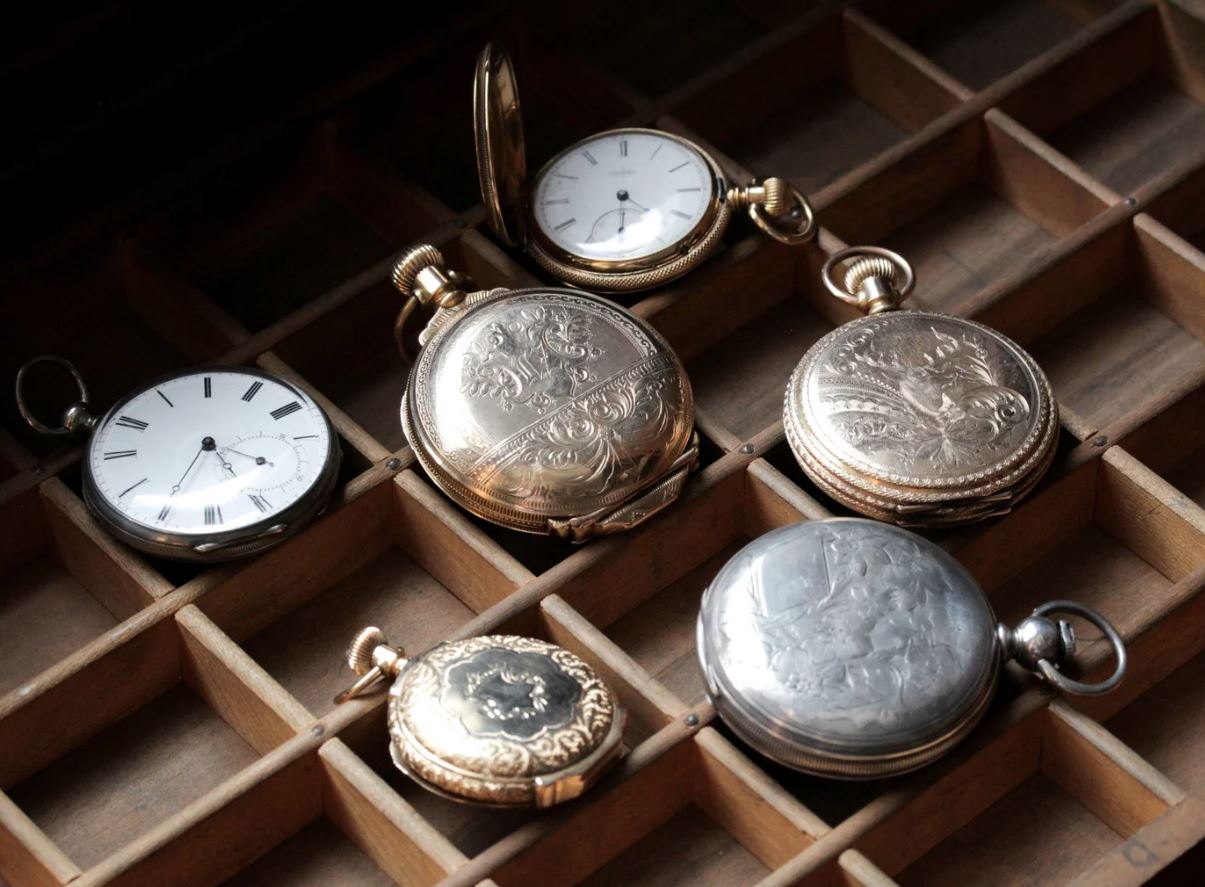
Watch collecting transforms precision into poetry and the passage of time into a form of preservation
The Pulse Beneath the Dial
Every watch, whether simple or ornate, carries a heartbeat of its own. Beneath the polished crystal and engraved case lies a world in motion, a miniature cosmos of gears, wheels, and springs that dance in harmony. To the casual observer, a watch tells time. To the collector, it tells stories. The steady rhythm of a mechanical movement is not only a measure of seconds but a reminder of the hands that built it and the generations that cherished it. When a collector winds an old watch, they awaken history. The tick is both a sound and a symbol, echoing the persistence of craftsmanship in an age that often forgets to listen. Each piece is alive in its own way, breathing through balance and motion, keeping faith with the passage it was built to measure.
To hold a watch is to feel time materialized. Its weight, texture, and temperature connect the past to the present through touch. The collector becomes the caretaker of continuity, ensuring that what was once built to measure time now endures it. Unlike digital screens that flicker and fade, a mechanical watch holds permanence. It embodies patience, requiring care and respect. Its survival depends on rhythm, and that rhythm mirrors our own fragility and endurance. This is the secret allure of horology, where time is not simply recorded but remembered through the machinery of beauty.
The Origins of Precision and Desire
The story of watch collecting begins long before the first collectors emerged. It starts with the invention of portable time itself. In the sixteenth century, as clockmakers learned to miniaturize their mechanisms, the pocket watch became a symbol of mastery and ambition. Early timepieces were crude yet miraculous, marvels of ingenuity that transformed the abstract flow of time into something one could carry. Over the centuries, innovation refined the craft. Balance springs improved accuracy, jewel bearings reduced friction, and artistry turned function into elegance. By the nineteenth century, watchmaking had evolved into both science and art, each piece a declaration of progress.
When wristwatches appeared in the early twentieth century, they were not immediately embraced by men, who viewed them as jewelry rather than instruments. But war changed perception. Soldiers needed quick access to time, and the practicality of the wristwatch made it indispensable. What began as utility soon became identity. Watchmakers competed to blend precision with beauty, creating designs that appealed to emotion as much as necessity. As watches became accessible to broader audiences, they also became collectible. Each generation produced innovations that reflected its values. Today, collectors seek not just rare models but moments in history embodied by ticking mechanisms that once defined the rhythm of modern life.
The Craft Behind the Case
At the heart of every great watch lies craftsmanship that defies simplicity. A single movement may contain over two hundred components, each working in harmony within tolerances measured in microns. Gears mesh with near-invisible precision, while springs store energy that must be released with delicate balance. The watchmaker’s art demands both engineering discipline and poetic patience. It takes years of training to master the assembly of movements where even the slightest misalignment can halt perfection. This devotion to the unseen is what elevates watchmaking to artistry. It is a craft of invisibility, where beauty exists in mechanisms most owners will never see.
Collectors often marvel at the dual nature of this craft. The external design appeals to the eye, while the internal mechanism appeals to the intellect. Both must coexist seamlessly. The brushed finish of a case, the curve of a lug, the texture of a dial, all are choices made to reflect identity. Meanwhile, beneath these surfaces, bridges and plates are polished not merely for performance but for pride. Even hidden components are finished with care, a silent testament to integrity. To own such a piece is to possess more than an instrument of timekeeping. It is to hold a work of human precision that continues to live, beat by beat, long after its maker has passed away.
The Collector’s Philosophy
For those who collect watches, the motivation rarely ends with ownership. The fascination extends into philosophy. A watch is a paradox of permanence and impermanence. It measures time, yet it resists it. The collector, aware of mortality, finds comfort in mechanisms that continue long after the human pulse has stopped. This awareness shapes how collectors approach their passion. Each acquisition is an act of preservation rather than possession. The goal is not accumulation but stewardship, ensuring that each watch remains alive through attention and care. The watch becomes a partner in meditation, reminding its keeper of both discipline and grace.
Many collectors describe their interest as deeply personal. Some are drawn to the aesthetics of design, others to the engineering challenges hidden within. Yet all share a reverence for the dialogue between time and craftsmanship. To study a watch collection is to study the collector’s character. The minimalist might prefer the purity of Bauhaus design, while the historian favors vintage chronographs bearing the marks of age. The philosopher finds meaning in patina and imperfection, seeing beauty in endurance. Through collecting, time itself becomes tangible, and the collector learns that patience, like precision, is both a skill and a virtue.
The Beauty of Complications
In horology, the term “complication” refers not to difficulty but to delight. It describes any function beyond simple timekeeping, such as calendars, moon phases, or chronographs. These additions reveal the creative ambition of watchmakers who strive to master complexity within limited space. A perpetual calendar that adjusts for leap years, a tourbillon that counteracts gravity, or a chronograph capable of measuring split seconds, all reflect humanity’s determination to control chaos through ingenuity. For collectors, complications symbolize mastery. They represent the triumph of precision over limitation and imagination over mechanics.
The fascination with complications also mirrors the complexity of time itself. Each added function transforms the watch into a philosophical object. A moonphase reminds the wearer of celestial rhythm, while a world timer connects them to distant places. The collector appreciates these layers of meaning as much as the mechanics that enable them. Owning a complicated watch is not about extravagance but about wonder. It demonstrates how art and science can coexist within a circle of metal no larger than a wrist. Every complication is a poem written in gears, an attempt to express infinity in motion.
The Emotional Value of Patina
As watches age, they develop patina, a transformation that collectors often cherish rather than erase. Unlike other objects, a watch’s wear enhances its personality. The fading of lume, the softening of edges, and the micro-scratches on a case all tell stories of use and passage. Patina gives a watch authenticity, proof that it has lived. This aging process connects the current owner to previous ones, forming a silent lineage of care. In this way, collecting becomes an act of inheritance, even when the pieces are not passed down directly. Each mark on a dial or clasp becomes part of an ongoing narrative that resists oblivion.
Modern culture often celebrates perfection, yet in the world of horology, imperfection carries intimacy. Collectors who embrace patina reject the sterile idea of flawless restoration. They understand that time’s marks are not flaws but fingerprints. A vintage watch with a cracked dial may hold more emotional truth than a pristine reissue. It embodies the paradox of preservation through change. The collector who wears such a piece participates in continuity, adding their own chapter to its evolving history. In this way, patina transforms metal into memory, making each watch a vessel of individuality rather than mere replication.
The Market and the Myth
The global watch market has grown into a complex ecosystem where artistry meets economics. Auction houses, boutiques, and online platforms fuel a constant exchange between rarity and desire. Certain models achieve mythical status, their prices driven by scarcity and story. A limited-edition chronograph or a discontinued dive watch can ignite competition among collectors who value heritage as much as exclusivity. Yet the market also breeds reflection. The true collector learns to distinguish passion from speculation, understanding that value is not solely measured in currency but in connection.
Behind every successful sale or record-breaking auction lies the enduring myth of the watch as symbol. It represents precision, permanence, and status, but also fragility. The market mirrors human behavior, how sentiment influences worth, how memory shapes demand. Trends rise and fade, yet timeless craftsmanship remains immune to fashion. For the thoughtful collector, the joy of acquisition lies not in price but in meaning. The market may fluctuate, but the watch’s quiet tick continues unchanged, indifferent to speculation, faithful only to time itself.
The Legacy of Horology
Watch collecting extends beyond personal fascination into cultural heritage. Museums and private archives preserve horological masterpieces as testaments to human ingenuity. Each mechanism captures the evolution of science, design, and artistry. From the marine chronometers that guided explorers to the wristwatches that accompanied astronauts, timepieces have shaped civilization’s rhythm. Collectors become custodians of this legacy, ensuring that the continuity of craft remains unbroken. Their collections are not static displays but living dialogues between eras, reminding society that beauty and precision can coexist with purpose.
Horology also represents a universal language. Across cultures, the appreciation of watches transcends differences of geography or background. It reflects the shared human desire to understand and measure existence. Every tick marks a heartbeat in history, every watch a monument to time’s dual nature as both fleeting and eternal. Collectors safeguard that understanding through their devotion. They embody the belief that preservation of craft is preservation of meaning. Through their hands, the art of watchmaking remains alive, ensuring that time, though unstoppable, will never become impersonal.
The Hand That Winds Tomorrow
In the quiet moment when a collector winds a watch, something sacred occurs. The motion connects past to future, touch to time. Each turn of the crown is both ritual and renewal. The watch awakens, gears align, and balance resumes its endless motion. The act requires presence, reminding its keeper that even in a world of automation, the simplest gestures still matter. Watch collecting, at its heart, is about reverence, for craftsmanship, for memory, for continuity. The pieces may be small, but their meaning is vast. They hold within them the story of humanity’s relationship with time, our oldest companion and most elusive mystery. The hand that winds tomorrow does not stop time, it honors it, ensuring that the rhythm of life continues, one measured tick at a time.